Introduction
Well performance is a critical aspect of oil and gas production, directly impacting efficiency, profitability, and sustainability. To maintain and enhance production, engineers rely on artificial lift methods such as Gas Lift and Electrical Submersible Pumps (ESP). However, optimizing these systems requires specialized knowledge and continuous learning. With the rise of e-learning, no matter where they are located or the time of the year, oil and gas professionals can now access industry-leading training to stay ahead in well performance optimization.
Understanding Well Performance and Artificial Lift
What Is Well Performance and Why Does It Matter?
Well performance refers to the ability of a well to produce hydrocarbons efficiently. Several factors influence this, including reservoir pressure, formation characteristics, and fluid properties. When natural reservoir pressure declines, artificial lift methods become essential for sustaining and improving production.
Gas Lift and ESP – Essential Artificial Lift Methods
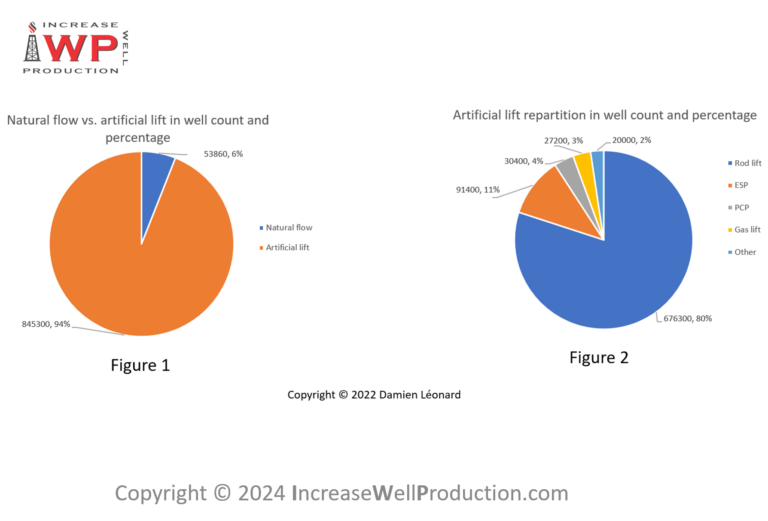
Gas Lift and Electrical Submersible Pumps (ESP) dominate the artificial lift market due to their versatility, efficiency, and adaptability to diverse well conditions. These two methods are the preferred choices for high-rate production, making them responsible for a significant portion of the world’s total oil output. Gas Lift is widely used in offshore and high-GOR fields, leveraging available gas to enhance production while minimizing mechanical failures. ESP systems, on the other hand, excel in high-volume and deep wells, delivering reliable performance even in challenging environments with high water cut. Their ability to sustain high production rates, coupled with advancements in automation and remote monitoring, makes them the leading artificial lift solutions for maximizing global oil recovery.
Gas Lift: How It Works and When to Use It
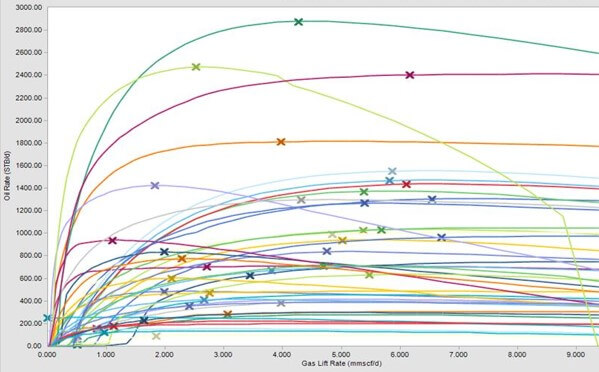
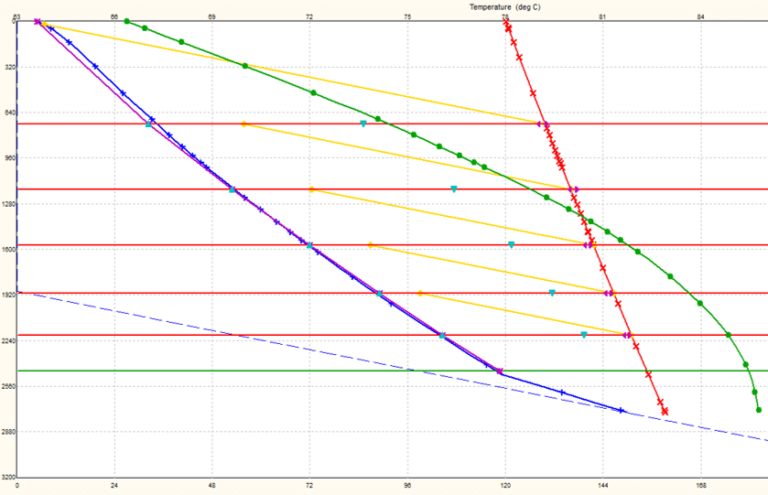
Gas Lift involves injecting compressed gas into the wellbore to reduce the hydrostatic pressure of the fluid column, allowing oil to flow more easily to the surface. It is widely used in wells with declining reservoir pressure and is particularly beneficial for wells with variable production rates.
ESP: Enhancing Production with Electrical Submersible Pumps
Electrical Submersible Pumps (ESP) are one of the most efficient and widely used artificial lift methods for high-rate oil production, especially in deep wells and mature fields.
ESPs consist of a multistage centrifugal pump, a downhole motor, and a power cable, allowing them to lift large volumes of fluid from great depths efficiently. They are particularly effective in wells with high water cut, making them ideal for mature reservoirs and offshore operations where maintaining production is critical. Their compact surface footprint makes them well-suited for offshore platforms, where space is limited, while their subsurface installation ensures compliance with downhole barrier policies, a key requirement in many offshore fields.
ESPs are also extensively used in deep offshore wells, unconventional reservoirs, and both onshore and offshore conventional fields, offering a versatile and reliable solution across a broad range of reservoir conditions. With advancements in automation, variable speed drives (VSDs), and real-time monitoring, ESPs can be optimized for changing well conditions, improving reliability and reducing intervention costs. Their ability to handle high flow rates, deep installations, and a wide range of fluid properties makes them a key technology for maximizing oil recovery and sustaining global production levels.

Gas Lift vs. ESP: Choosing the Right Method
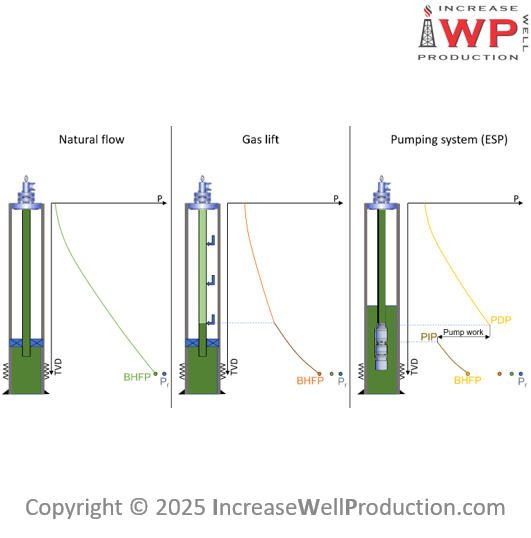
Selecting between Electrical Submersible Pumps (ESP) and Gas Lift as an artificial lift method depends on well conditions, production targets, and operational constraints. Each method has its advantages, but both are suitable for high-flow wells and are widely used in offshore and onshore fields, including deep reservoirs and unconventional plays.
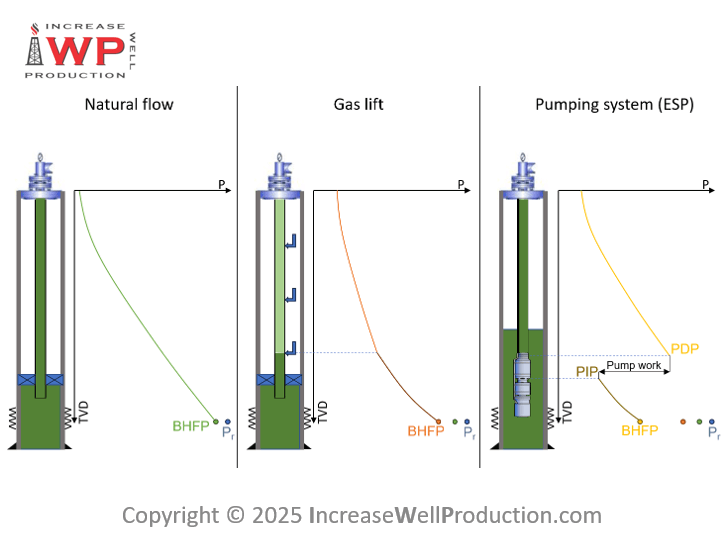
The key differences lie in their operational strengths and limitations. ESP is the preferred choice when high production rates are required, especially in deep wells and high water-cut environments, as it efficiently lifts large fluid volumes and provides real-time monitoring capabilities. Its compact surface footprint and compliance with downhole barrier policies make it ideal for offshore platforms and deep offshore fields.
In contrast, Gas Lift excels in wells with fluctuating production, solids production, or where frequent interventions are needed, as it is more mechanically simple and tolerant to sand and scale. It is best suited for wells with an available gas supply and infrastructure, particularly in offshore environments and high Gas-Oil Ratio (GOR) reservoirs. While ESP provides higher efficiency in lifting liquids, Gas Lift offers greater flexibility and longevity, making it more adaptable to wells with declining reservoir pressure or intermittent production.
Featured courses
Our courses Introduction to Artificial Lift and Introduction to Electrical Submersible Pump will guide you through the selection process of the most suited artificial lift method for your well.
The Role of E-Learning in Gas Lift, ESP, and Well Performance Training
Why Training Is Crucial for Oil & Gas Engineers
Training is crucial for oil and gas engineers because the industry is constantly evolving, with new technologies, regulations, and operational challenges emerging regularly. As engineering solutions become more complex, staying up-to-date with the latest methods and technologies—such as artificial lift systems like gas lift and ESP—is essential for ensuring optimal performance, safety, and efficiency. Engineers who undergo continuous training are better equipped to address challenges like well performance optimization, production optimization, and troubleshooting in real time. Moreover, proper training helps engineers reduce downtime, enhance equipment reliability, and minimize operational costs, ultimately leading to increased profitability. By improving efficiency and addressing issues proactively, trained engineers can contribute to maximizing production and extending the life of assets, which directly impacts the bottom line. Given the high stakes involved in drilling, production, and reservoir management, well-trained engineers are vital to maintaining sustainable production levels, meeting environmental standards, improving safety protocols, and driving higher profits for oil and gas companies.
How E-Learning Enhances Artificial Lift and Well Performance Knowledge with On-Demand Learning for Busy Oil & Gas Professionals
As the oil and gas industry evolves, the demand for specialized technical knowledge in artificial lift systems and well performance optimization continues to grow. Gas Lift and Electrical Submersible Pumps (ESP) are two of the most widely used artificial lift methods, playing a crucial role in maximizing production efficiency. However, mastering these technologies requires a deep understanding of their design, operation, troubleshooting, and optimization. Traditional training methods, such as classroom sessions and field apprenticeships, can be costly, time-consuming, and logistically challenging, especially for global teams.
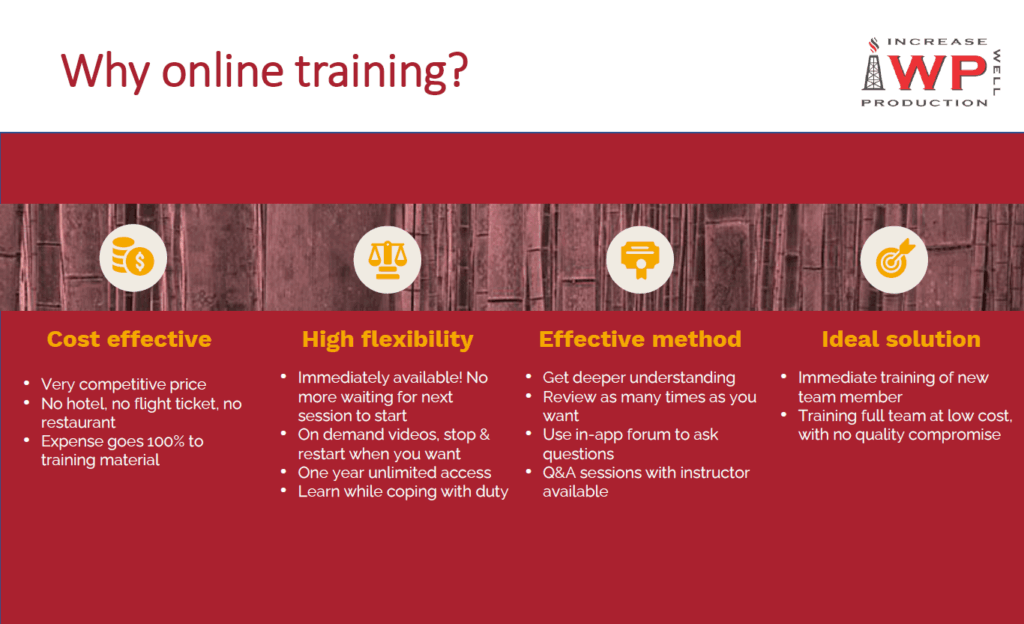
E-learning has emerged as a powerful solution to bridge this knowledge gap, providing engineers and industry professionals with flexible, interactive, and cost-effective training.
With flexible online courses, engineers can learn at their own pace without disrupting their work schedules. On-demand access ensures they can revisit concepts and refresh their knowledge when needed.
Through online courses, learners can develop critical expertise in gas lift optimization, ESP performance analysis, and overall well performance management—all from anywhere in the world.
Staying Up to Date with Industry Best Practices
Oil and gas technologies are continuously advancing. One of the key advantages of e-learning over traditional classroom training is the extended course access period, which allows learners to stay updated on the latest advancements in gas lift, ESP, and well performance.
In a traditional classroom setting, training is often a one-time event, meaning that any updates or technological advancements that occur after the session are missed unless additional training is scheduled. In contrast, e-learning platforms continuously update course content, ensuring that learners have access to the latest industry best practices, new equipment designs, and improved optimization techniques. This ongoing access allows professionals to refresh their knowledge, revisit complex topics, and integrate newly developed methods into their workflows, ultimately enhancing their ability to apply the most up-to-date solutions in the field. It therefore ensures that they remain competitive in their careers.

Choosing the Right E-Learning Platform for Well Optimization Training
Learn from an instructor dedicated to training rather than consulting
When you take training from someone who only sells training, their primary goal is to provide clear, structured, and comprehensive knowledge. Their success depends on making sure you fully understand the material and can apply it independently.
On the other hand, a consultant offering training may intentionally keep key concepts vague or incomplete to create dependency, positioning themselves for future consulting services. Their goal isn’t just to educate but also to upsell their expertise, which can lead to less effective training.
If you want real knowledge and self-sufficiency, learning from a dedicated trainer is the better choice.
Access to Advanced Content
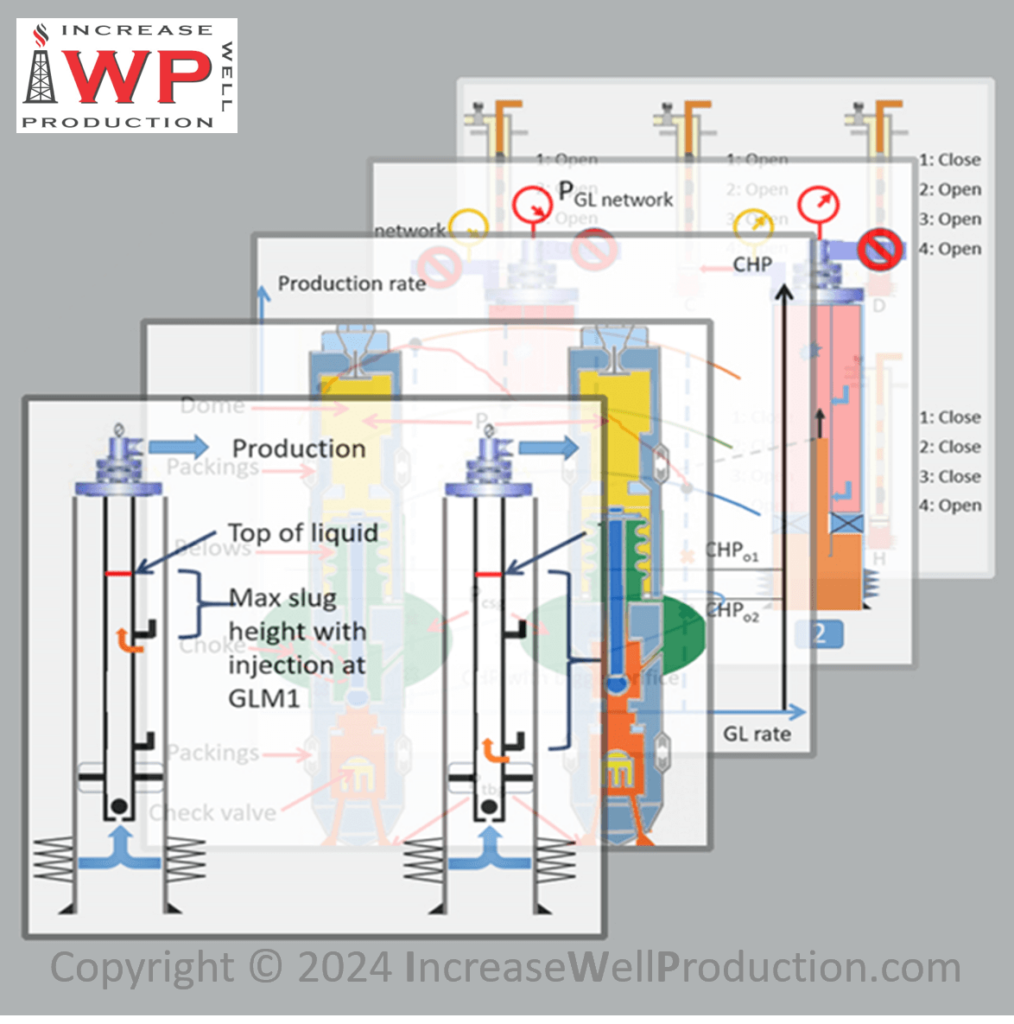
Finding advanced courses on Gas Lift, Well Performance, and Electrical Submersible Pumps (ESP) is critical because most online learning platforms only cover the basics. While introductory knowledge is important, it’s not enough to solve real-world challenges in oil and gas operations.
To truly enhance expertise and drive performance, engineers need in-depth, advanced content that goes beyond fundamentals. This means covering optimization strategies, troubleshooting complex issues, and real-field applications—not just theory.
Without access to advanced training, companies risk having staff who struggle to maximize well performance, leading to inefficiencies, higher costs, and lost production. Investing in high-level technical training is essential to keep teams at the cutting edge of artificial lift and well optimization.
Featured courses

Company Unlimited” E-Learning Subscription Delivers Real Impact
Choosing a “Company Unlimited” subscription for an e-learning platform is the best way to achieve real impact across an organization. Unlike individual or limited-access plans, an unlimited subscription enables continuous learning and widespread knowledge sharing, making training a strategic asset rather than a one-time event.
Key benefits:
🔹 Supports Both Leaders & Performers – Engineers gain advanced optimization skills, while field staff build practical expertise for daily operations.
🔹 More Time for Deep Learning – Employees can revisit content anytime, using it as a reference for training, troubleshooting, and procedures.
🔹 Broad Access for All Teams – Interns, production operators, field staff, and surface facilities teams develop a shared technical foundation, improving collaboration.
🔹 Immediate Access for New Hires & Internal Mobility – New employees and transitioning staff can upskill instantly, reducing onboarding time and knowledge gaps.
A Company Unlimited e-learning subscription transforms training from a one-time event into an ongoing strategic advantage. It ensures that technical knowledge is always accessible, helping companies boost operational efficiency, improve well performance, and empower their workforce.
Immediate Payback
Investing $100K annually in a high-quality e-learning platform might seem like a significant expense, but in oil and gas operations, even a small production increase can quickly offset the cost.
For example, if oil is priced at $70 per barrel, an extra 4 barrels per day (bopd) translates to:
📈 4 bopd × 365 days × $70 = $102,200 per year
That means just a minor efficiency improvement—whether from optimized gas lift settings, better ESP performance, or reduced downtime—can pay for the entire subscription.
Considering that an advanced training platform enhances the skills of an entire team, the cumulative impact on well performance and operational efficiency can generate returns far beyond the initial investment.
Investing in unlimited learning isn’t a cost—it’s a long-term competitive advantage.
Modern Oil & Gas Training Platform
A modern e-learning platform goes beyond just hosting videos—it provides an engaging, interactive, and personalized learning experience. Here are the key features that define a cutting-edge platform:
-
Comprehensive courses covering artificial lift and well performance topics. with high quality and advanced content that goes beyond basics, offering expert-level training.
- On-Demand & Mobile-Friendly with 24/7 access from anywhere, on any device.
-
Certifications that enhance professional credentials.
-
Interactive content including videos, case studies, and real-world applications, as well as quizzes, exercises, and assessments to reinforce understanding.
- Community & Support with the possiblity to ask questions to the instructor and its learning community. Access to previous questions and answers.
- Live Q&A sessions with industry experts.
- Gamification & Engagement with badges, leaderboards, and ranks to motivate learners.
- Data-Driven Insights with progress tracking & analytics to monitor learning impact. Access to company-wide performance reports for skill development planning.
Conclusion
E-learning is revolutionizing the way oil and gas professionals approach well performance training. By gaining expertise in Gas Lift, ESP, and well optimization, engineers can enhance production efficiency and advance their careers. Investing in online learning is a smart step toward mastering artificial lift techniques and staying ahead in the industry.
Ready to boost your well performance skills? Explore our expert-led online courses today!