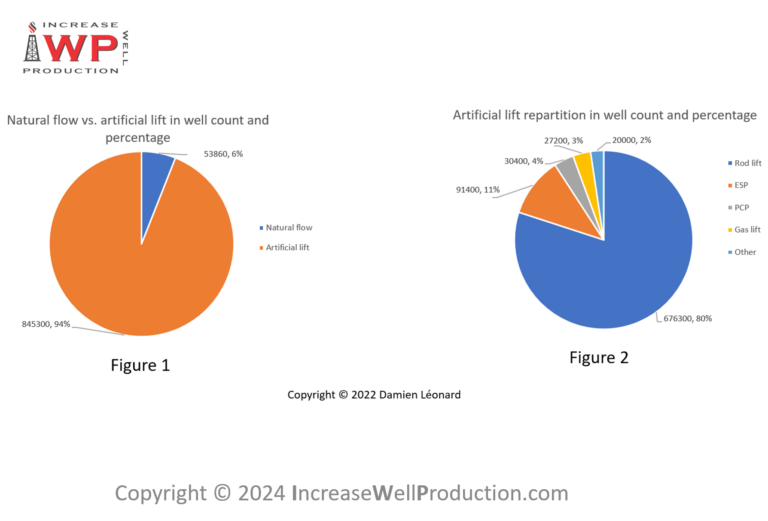
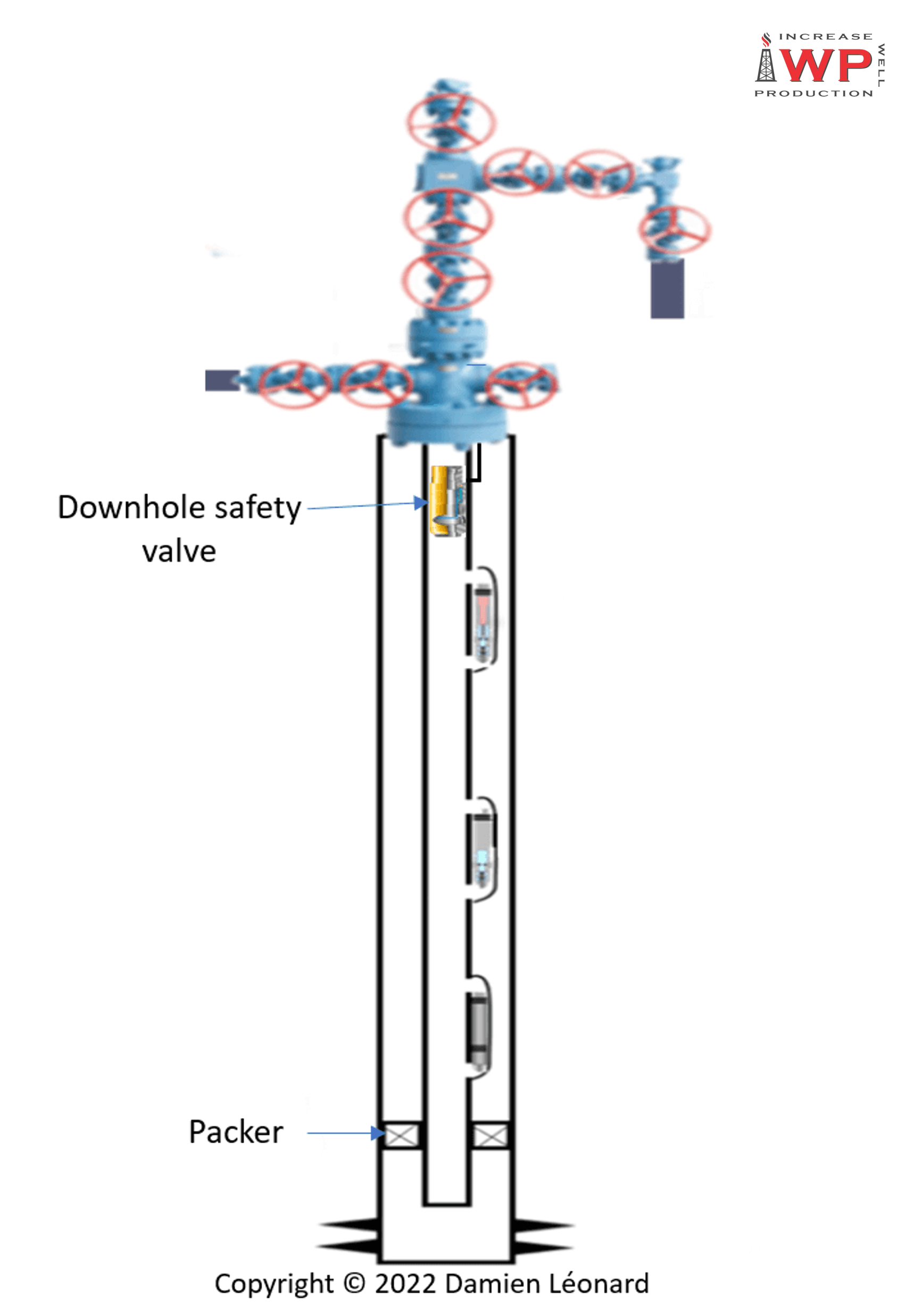
Gas Lift is the most used artificial lift method in the offshore environment
Why is Gas Lift predominant in the offshore environment?
First Gas Lift allows complying with downhole barrier safety policy that is mandatory in many regions and anyway implemented and followed by major E&P companies. According to this policy, wells need to be equipped with a packer (to provide a downhole barrier to isolate the reservoir from the surface in the tubing-casing annulus) and a downhole safety valve (to provide such a barrier in the tubing).
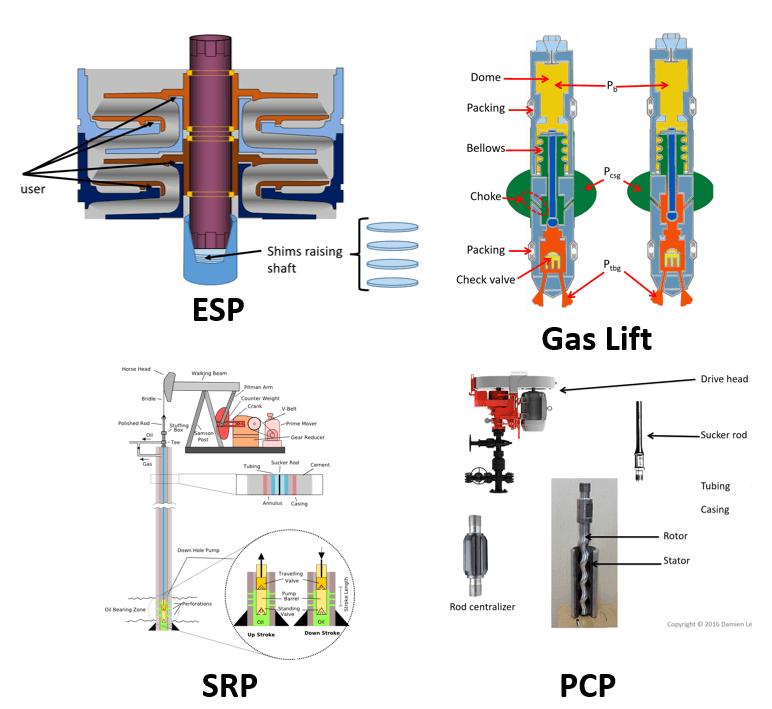
Pumping systems (ESP, PCP, rod pumps) are not good at handling gas and the presence of a packer forces the gas to go through the pump (while it can be vented through the tubing-casing annulus in packer-less wells). Systems using rods (PCP and rod pumps) are not easily compatible with downhole safety valves. On the other hand, Gas Lift works perfectly with both barriers.
Gas Lift is the most useful when a flexible production system is needed
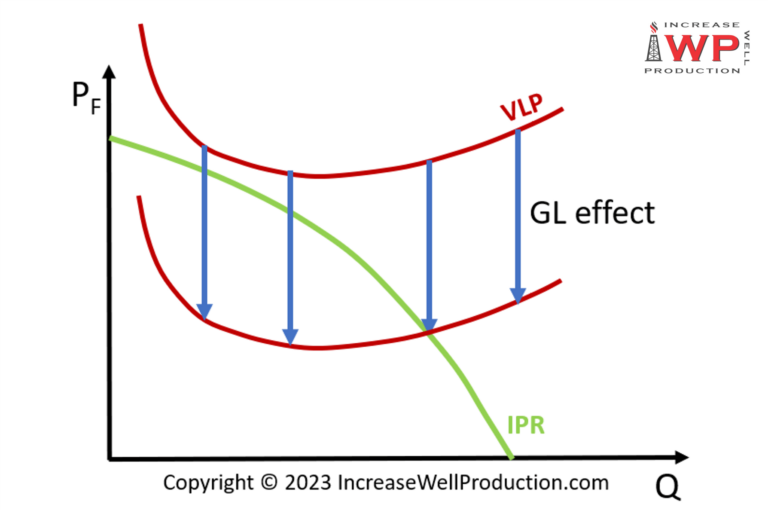
Gas lift is also the most flexible artificial lift method. It can handle a large range of crude API, gas-oil ratio, and has no limit on liquid rate or well depth. It is a very robust system that can handle harsh conditions like sand, H2S, or scale.
Gas lift is also very adaptative. A smartly designed Gas Lift mandrel spacing installed upon well completion is often used for more than a decade in the well. Gas lift design can be changed regularly to optimize well production. This light operation involves a slick line unit to pull the valves from the side pocket mandrel and replace them with new ones. It does not require a regular pull of the entire completion like the other artificial lift methods.
Gas Lift is a stong solution for shale oil unconventional wells
For all these reasons Gas Lift is now more and more regarded as the right artificial lift method for shale oil unconventional wells in North America. These wells that go through a very fast and significant liquid rate decline can benefit from the adaptivity of Gas Lift to become more cost-effective.