Increase Well production
Online Training Services
Acquire the key knowledge to rise your well production.



Training solution that fits companies of all size
Majors, juniors, large and small corporations, producers, equipment suppliers, service companies, consulting companies, individuals… IWP online training fits them all.
Why online training?
Training delivered to you, anywhere, anytime

Cost effective
- Very competitive price
- No hotel, no flight ticket, no restaurant
- Expense goes 100% to training material

High flexibility
- Immediately available! No more waiting for next session to start
- On demand videos, stop & restart when you want
- One year unlimited access
- Learn while coping with duty

Effective method
- Get deeper understanding
- Review as many times as you want
- Use in-app forum to ask questions
- Q&A sessions with instructor available

Ideal solution
- Immediate training of new team member
- Training full team at low cost, with no quality compromise
Specialities
IWP offers high quality online training on several subjects
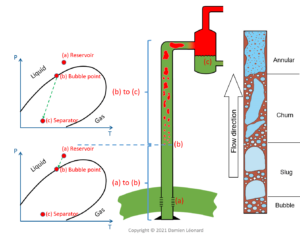
Well Performance
Learn the fundamentals of well production, nodal analysis and petroleum engineering
Artificial Lift
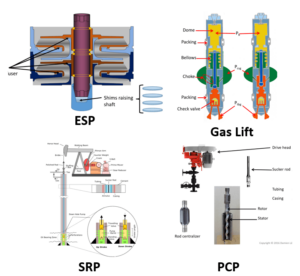
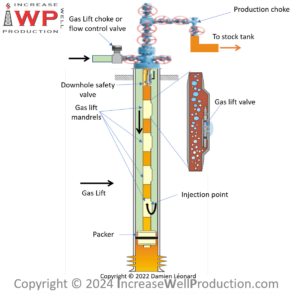
Gas lift, ESP, PCP, SRP, jet & hydraulic pumping
What People are Saying
Explanations given create an amazingly easy way of understanding the subject
This is an excellent module of the Gas Lift Training Course provided by IWP because it combines: a) solid theoretical fundamentals, b) plenty of design and troubleshooting tips with great practical applications and, c) up-to-date design and troubleshooting procedures using Prosper, the most widely used software in the oil industry today.
The way the topics are presented follows the exact logical steps that should be taken to make sure the liquid production is optimized and with the minimum gas consumption possible for the operating conditions in the field.
I found it very important that the module pays close attention to “how and why” well monitoring of surface parameters, well tests, and downhole monitoring with pressure and temperature gauges should be performed because these activities are the foundations of the optimization process. This part of the module is full of practical advices that are given in a way that makes it easy for participants to learn very fast all the important details that will allow for an assertive optimization analysis. The explanations are given with excellent pressure and temperature traverse curves that create an amazingly easy way of understanding the subject. Downhole monitoring is presented with many details on the field techniques and equipment that should be used.
The optimization process begins with a very clear explanation of the “liquid production vs. the gas injection rate” curve, clearly indicating which gas injection rate should be the optimum one and why.
Several ways of optimizing gas lift designs are beautifully explained with the help of pressure-depth diagrams, showing the liquid pressure traverse curve, the gas injection pressure line, and the relative position of the opening and closing pressures of the valves that makes it enjoyable for the student to learn, very fast, how to optimize the design by injecting gas deeper without risking gas lift stability. Clever explanations are given to didactically show what to do if the injection pressure is too low to go deeper when there are opportunities to place dummies above the current point of injection. All these explanations are complemented with an excellent real case example.
The gas lift system optimization covers well-explained ways of increasing the liquid production by brilliantly going from explanations that start at the well itself and then go to all components of the system (the gas compression and distribution system, as well as the gas and liquid gathering network) with plenty of actions that can be taken to achieve the goal of getting the best out of the gas lift system, eliminating, or reducing, large capital investments.
Practical tips on how to quickly identify wells that can be optimized are important actions that all optimization teams should constantly perform and these are all very well explained in the module so that the students can immediately apply them in their field.
A very detailed explanation on why a change in the gas lift design might be needed is carefully presented, together with plenty of opportunities to seek after, either for a new gas lift mandrel spacing, or when using the current gas lift mandrels installed in the well. Great explanations for selecting the most appropriate kick-off pressure and target liquid flow rate to use for the gas lift design are given with the help of didactic pressure-depth diagrams that are easy to fallow and which constitute a pleasant way of learning important gas lift design parameters very fast.
Excellent and thorough explanations are brilliantly explained in the module on Prosper: a) how to use Prosper (using existing mandrels) to prepare your well model, b) use the well model to perform a gas lift design and, c) test the design.
High Quality Training.
Learn Effectively from Experts!
Easy and immeditate access to knowledge to raise your well production, decrease your operating costs and select the appropriate solutions to solve the issues that impair your field performance.
Image by ArtPhoto_studio on Freepik
