Written by Antoine Thomas, Eppok, and Damien Leonard, founder of Increase Well Production Limited.
About the author: Antoine Thomas is an international expert in polymer flooding and chemical Enhanced Oil Recovery (EOR) methods. As the author of Polymer Waterflooding Basics, he brings extensive experience in project development, research, and field implementation. Through his platform, Polymer Flooding Guide, Thomas shares insights, case studies, and best practices to advance the understanding and application of polymer flooding in the oil and gas industry.
Introduction
Elastomers are widely used in the oil and gas industry for sealing, insulation, and protection in extreme environments. Common applications include packers, O-rings, tubing seals, and electrical insulators in downhole tools, surface equipment, and pipelines. In Electrical Submersible Pump (ESP) systems, elastomers are critical components used not only for seals to maintain pressure integrity but also in the bag chambers of motor protectors, where they accommodate fluid expansion and prevent contamination of the motor oil.
In such conditions, elastomers must resist chemical degradation and physical deformation when exposed to various hydrocarbons, water, acids, bases, and other production or treatment chemicals. A critical factor in elastomer performance is its compatibility with polar molecules. This is especially important in Electrical Submersible Pump systems, as failure of the protector bag can lead to complete ESP failure, making elastomer selection a critical parameter. Ensuring elastomer reliability is therefore essential to maximize the runlife and operational efficiency of the ESP system.
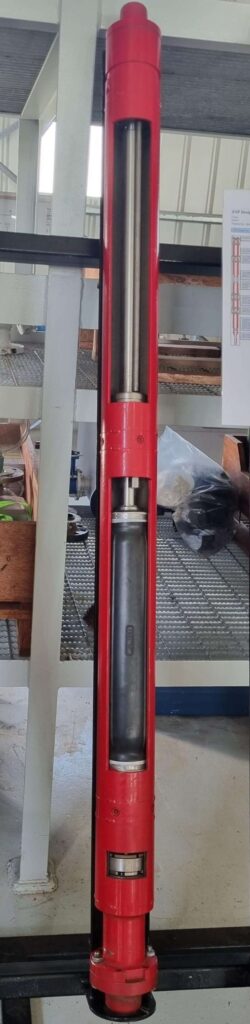
Figure 1: Modulare ESP protector with a bag and a labyrinth chamber
Principle of Polar Compatibility
The principle that governs chemical compatibility is often summarized as “like dissolves like.” Polar molecules tend to interact more favorably with polar materials through dipole-dipole interactions, hydrogen bonding, and ionic interactions, while non-polar molecules interact primarily through dispersion (van der Waals) forces. When a polar solvent interacts with a polar elastomer, the interaction is strong, which can lead to swelling, softening, and even chemical degradation.
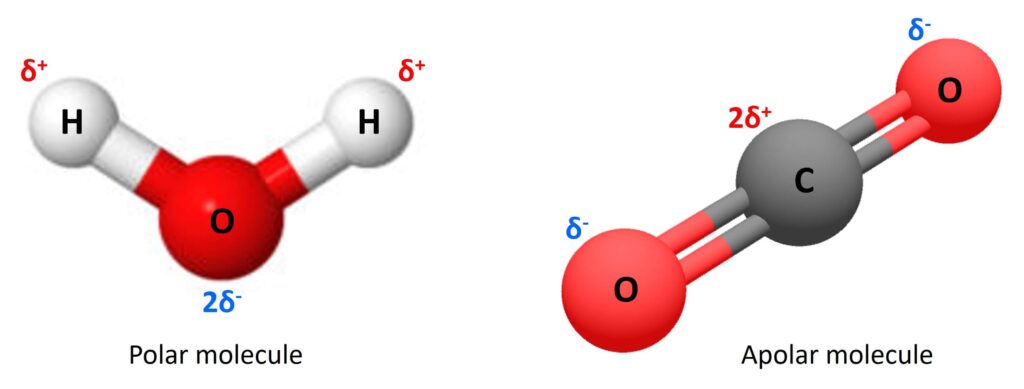
Figure 2: Polar vs. apolar molecule
Elastomers consist of polymer chains with varying degrees of polarity, depending on their chemical structure. The presence of functional groups such as nitrile (-CN), amide (-CONH₂), ether (-O-), or hydroxyl (-OH) increases the polarity of the elastomer and its affinity for polar molecules. This can result in degradation when exposed to water, alcohols, acids, or amines—all commonly encountered in oilfield operations.
Chemistry of Polar Molecules in Oil and Gas
Several polar molecules are commonly encountered in oil and gas environments:
-
HCl (Hydrochloric acid): Used in acid stimulation to dissolve carbonate formations and improve permeability.
-
Methanol and Ethanol: Injected to prevent hydrate formation or for dehydration purposes.
-
Amines (MEA, DEA, MDEA): Employed in gas sweetening units to absorb CO₂ and H₂S.
-
Water (fresh, saline, brines): Ubiquitous in production fluids and injection systems.
-
Surfactants and corrosion inhibitors: Often contain polar functional groups such as quaternary ammonium or amine oxides.
These molecules are typically small, polar, and reactive, allowing them to penetrate elastomeric materials and interact with polar groups within the polymer structure, potentially leading to swelling, softening, or chemical degradation.
Featured courses

Relative Polarity of Common Molecules
Not all polar molecules are equally polar. The degree of polarity depends on the electronegativity difference between atoms and the overall molecular dipole moment. Molecules with higher dipole moments or strong hydrogen bonding capabilities tend to interact more aggressively with polar elastomers, increasing the risk of swelling, softening, or chemical degradation.
Below is a relative polarity classification of common polar molecules encountered in oilfield operations:
| Molecule | Relative Polarity | Notes |
|---|---|---|
| Water (H2O) | Very High | Strong hydrogen bonding, penetrates most elastomers |
| HCl | High | Acidic and small, strongly interacts with polar groups |
| Methanol | High | Small, hydrogen bonds readily |
| Ethanol | Moderate to High | Slightly less polar than methanol |
| MEA, DEA, MDEA | Moderate | Amines, reactive and polar |
| Surfactants | Variable | Depends on head group; often moderately polar |
This classification helps in anticipating the level of risk posed to elastomers and selecting materials accordingly.
Mechanisms of Elastomer Degradation
The degradation of elastomers in polar environments typically involves one or more of the following mechanisms:
-
Solvent uptake and swelling: Polar molecules diffuse into the polymer matrix, causing it to swell, which leads to dimensional instability and reduced mechanical strength.
-
Plasticization: The solvent lowers the glass transition temperature (Tg), making the elastomer too soft or sticky for reliable performance.
-
Hydrolysis and chain scission: Water and acids can hydrolyze ester, amide, or urethane linkages, resulting in polymer chain breakdown.
-
Stress cracking: Chemical attack in the presence of mechanical stress can initiate cracks, leading to premature failure of the elastomer.
Selection of Elastomers Based on Chemical Resistance
Selecting the appropriate elastomer for polar chemical environments requires an understanding of the specific media, temperature, pressure, and exposure duration. Below is a comparison of common elastomers used in the oilfield:
| Elastomer | Polarity | Resistance to Polar Molecules | Notes |
|---|---|---|---|
| NBR (Nitrile) | Moderate | Poor to moderate | Swells in alcohols, amines, and acids |
| HNBR | Moderate | Moderate | Improved over NBR, but still limited |
| EPDM | High | Good with water, poor with oil | Suitable for steam or water injection |
| FKM (Viton) | Low | Excellent | Resists acids, polar solvents, amines |
| Aflas (TFE/P) | Low | Excellent | Great resistance to amines and steam |
| FFKM (Kalrez) | Very low | Outstanding | Extreme chemical and temperature resistance |
Elastomer Exposure in Chemical EOR
Chemical Enhanced Oil Recovery (EOR) methods, such as polymer flooding and alkali-surfactant-polymer (ASP) injection, expose elastomers to chemical environments rich in polar compounds. The polymers used—typically partially hydrolyzed polyacrylamides (HPAM)—contain amide and carboxylate groups that increase polarity. Surfactants used in ASP flooding may include ethoxylated alcohols, sulfonates, or amine oxides, all of which introduce polar head groups that interact with elastomer materials. Alkalis, such as sodium carbonate or sodium hydroxide, elevate the pH and can catalyze hydrolysis reactions in susceptible elastomers. These combined effects demand the use of elastomers with good resistance to polar molecules, hydrolysis, and chemical softening—such as FKM, Aflas, or high-grade FFKM formulations.
Chemical Exposure of Elastomers in ESP Operations
In ESP operations, elastomers are routinely exposed to chemically aggressive environments during various field activities. These include well stimulation and tubing cleaning using acids or solvents, downhole injection of corrosion inhibitors, biocides, or gas sweetening chemicals, and the production of formation or injected water. In fields where chemical Enhanced Oil Recovery (EOR) is applied, the presence of surfactants or polymers further increases the chemical load. These operations introduce a wide range of polar molecules that can degrade elastomer components such as seals, cable penetrators, and protector bags, especially under high temperature and pressure conditions.
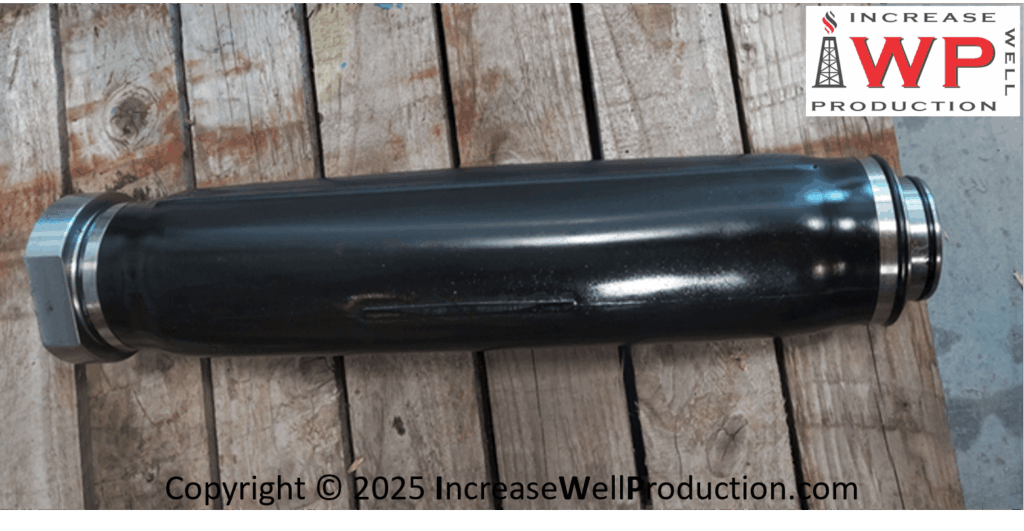
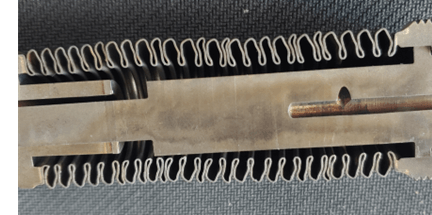
Figure 3: Elastomeric bag used in ESP motor protector
Conclusion
When selecting an elastomer type for an ESP system, it is essential to carefully review the specific chemicals the elastomer will be exposed to, based on the field operations, reservoir fluids, and operating conditions such as temperature and pressure. In polar environments, especially those involving acids, alcohols, water, or amines, elastomers with low polarity and strong chemical resistance—such as FKM, Aflas, or FFKM—are preferred to ensure durability and maximize system runlife.