
In the dynamic world of oil and gas, production optimization is the lifeblood of successful operations. Two processes stand out as particularly crucial for maximizing production uptime and minimizing the frequency of failures: Field Production Potential Management (FPPM) and Deferred Production Management (DPM). These processes, while sometimes overlooked, are foundational for ensuring that an oil and gas field operates at peak efficiency.
Field Production Potential Management: The Art of Maximizing Output
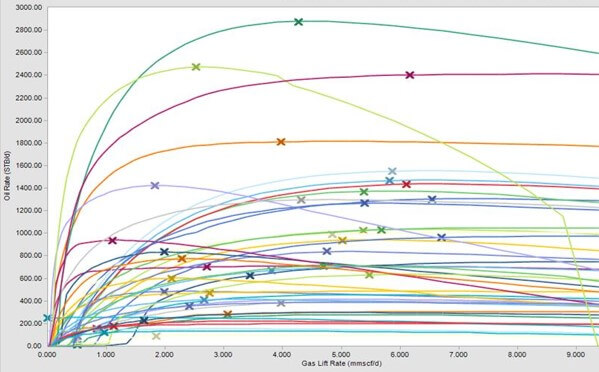
Field Production Potential Management (FPPM) is about understanding and maximizing the inherent potential of a field. It’s a strategic process that involves a detailed analysis of the reservoir, well, and surface facilities to ensure that each component is contributing optimally to the overall production. However, it’s not just about technical analysis; it’s also about proactive planning and continuous monitoring to ensure that the field’s potential is being fully realized.
Discussion Point: How do we define wells and field potential? How often are we reassessing our field’s potential? Are we leveraging the latest technologies and methodologies to unlock new opportunities for optimization? In many cases, fields operate below their potential because the data is either outdated or not fully utilized. This is where we, as engineers and operators, need to challenge our assumptions and ensure we’re not leaving barrels of oil in the ground due to suboptimal field management.
A question for discussion: How do you measure the wells and field potential? Are you taking a reference that reflects an ideal optimum point and decline? or, are you taking the last valid production test of each well as the reference?
Featured courses


Deferred Production Management: Turning Challenges into Opportunities
Deferred Production Management (DPM) is equally critical. It involves the identification and analysis of production losses, whether they are planned or unplanned, and developing strategies to mitigate these losses. DPM is not just about recognizing when production is deferred; it’s about understanding why and taking actionable steps to reduce the frequency and impact of these events and having the right processes to overcome the lost production promptly.
Discussion Point: Are we accurately tracking and analyzing our deferred production? More importantly, are we using this data to inform our decisions and strategies? Deferred production can often be seen as an unavoidable aspect of operations, but with the right focus, it can become a powerful lever for improvement. By addressing the root causes of deferred production, we can significantly enhance the overall efficiency and profitability of our operations.
A question for discussion: Do you have a process that considers the well status at every moment, the wells operating within an efficient envelope, and the wells operating out of the efficient envelope? How do you recognize the impact of inefficient wells?
Driving Continuous Improvement
The intersection of FPPM and DPM is where the magic happens. By focusing on both the potential and the pitfalls, we create a balanced approach that drives continuous improvement in our production processes. However, this requires a cultural shift—a move towards a mindset that is not just reactive but proactively seeking out and addressing inefficiencies before they become critical issues.
Call to Action: I encourage all petroleum engineers and operations managers to take a step back and review their current practices in both FPPM and DPM. Where are the gaps? What new technologies or methodologies could be implemented to enhance these processes? By sharing our experiences and insights, we can collectively drive the industry towards greater efficiency and success.
Let’s start a conversation. How are you managing your field’s production potential and deferred production? What tools do you use to detect, monitor, and change the situation?, How advanced math techniques, machine learning, and AI are used to support your analyses? What challenges have you encountered, and how have you overcome them?
Comment below with your thoughts and let’s work together to push the boundaries of what’s possible in oil and gas production.