The need for Artificial Lift
When a well produces in natural flow, it means that the reservoir pressure has enough strength to push the oil to the surface. If the reservoir pressure drops too much, the oil cannot reach the surface anymore.
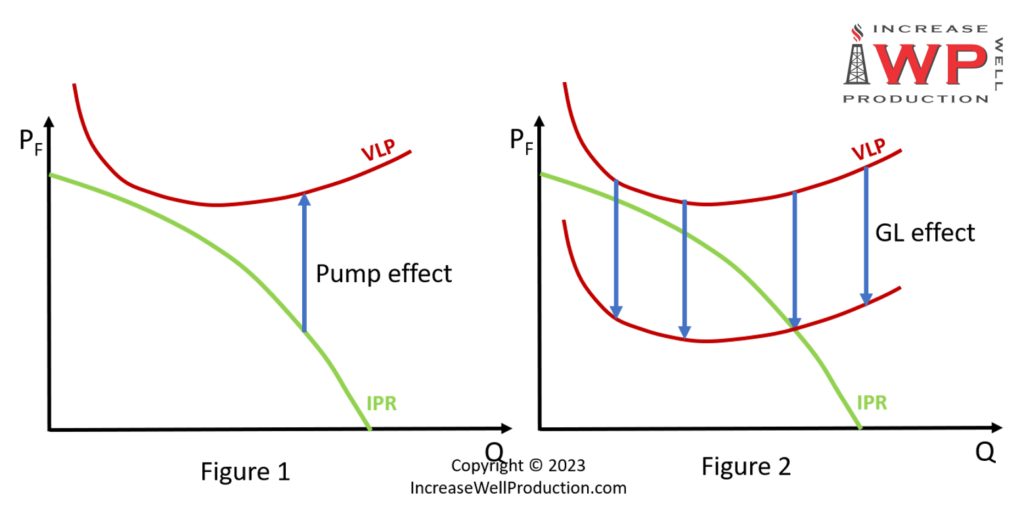
This is when artificial lift is needed. It provides the missing amount of energy to bring the oil to the surface (figure 1).
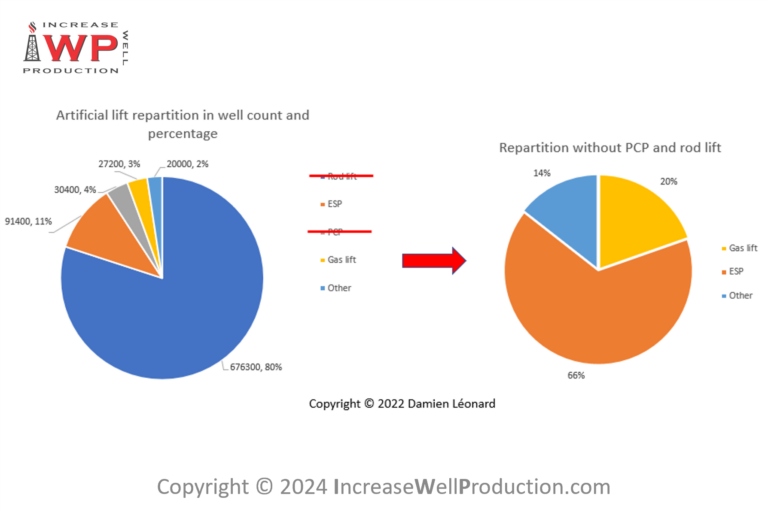
ESP, PCP, and rod pumping all use the same general principle. A pump is installed at the bottom of the well and will provide the missing push. The principle of Gas Lift is very different (figure 2).
Gas Lift production principle
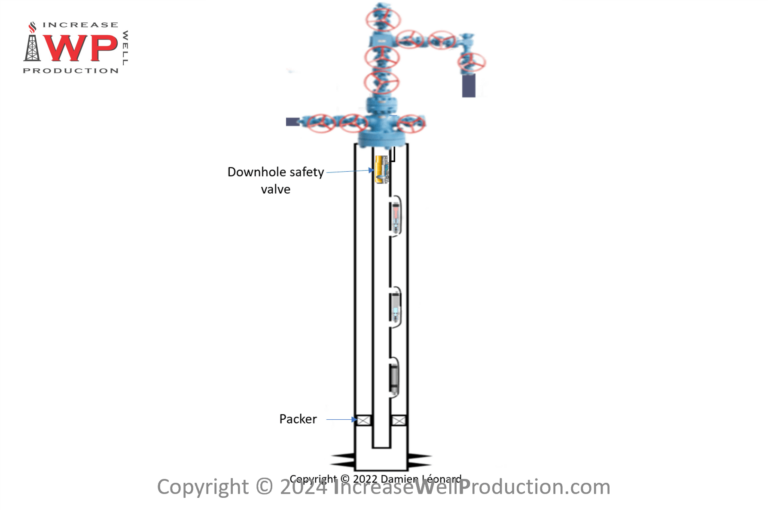
Gas Lift makes the push easier. By injecting gas as deep as possible in the well, the tubing is then filled with a lighter fluid (mixture of reservoir fluid and injected gas lift), therefore the same reservoir pressure can push this lighter fluid to the surface (figure 3).

Mandrel spacing design is critical for Gas Lift well optimization
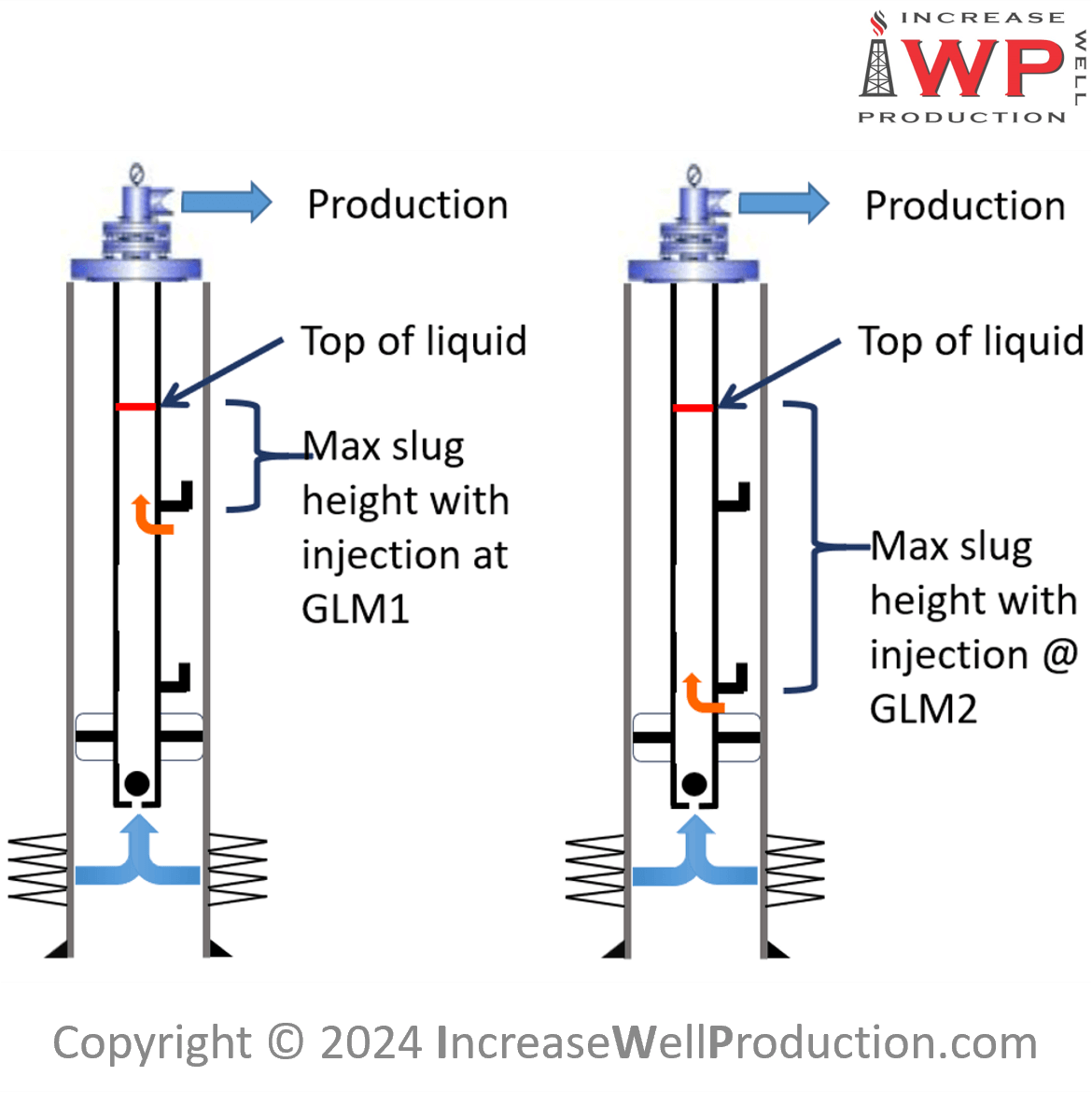
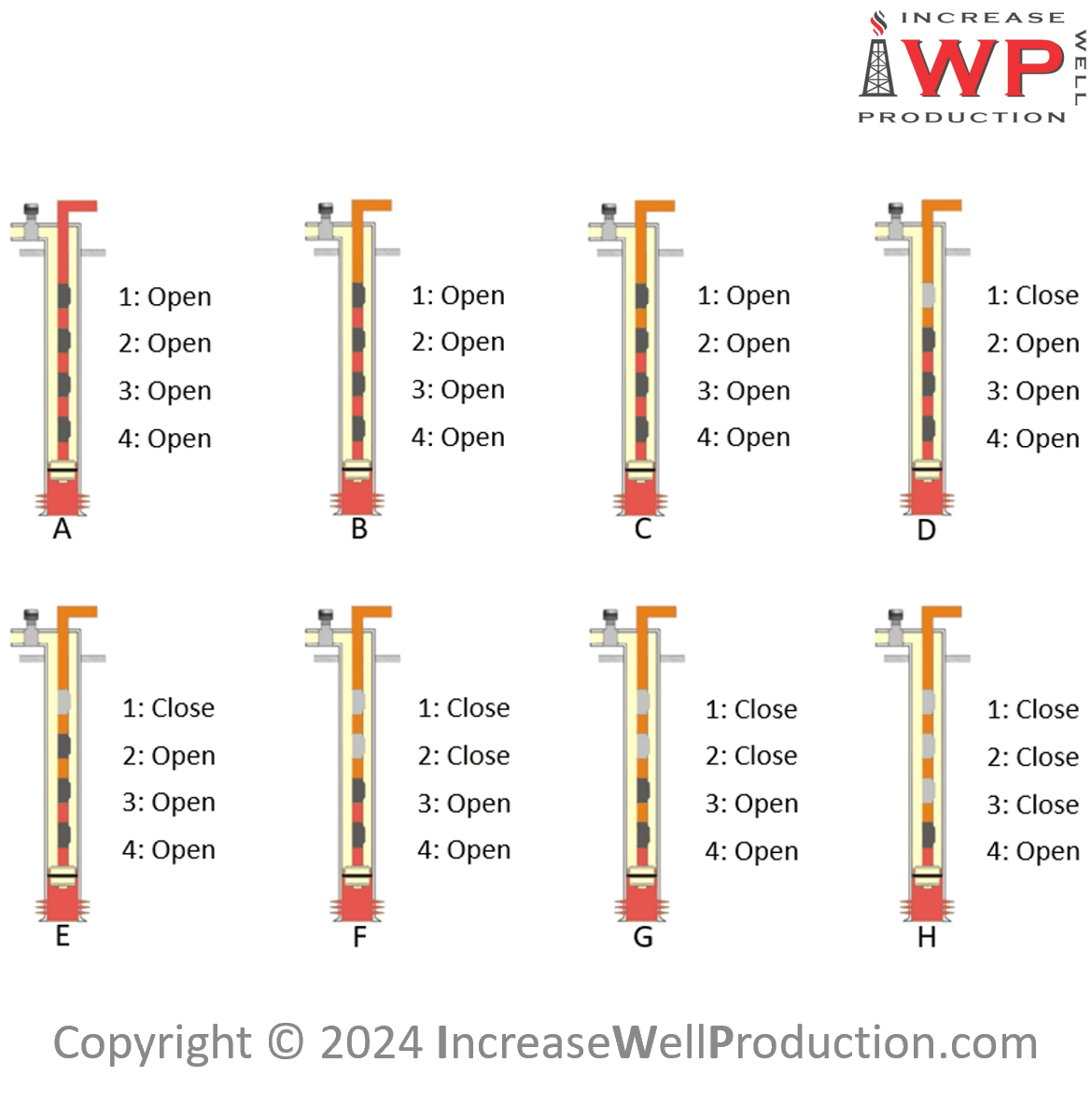
To produce a well in gas lift, an unloading sequence needs to be achieved. This is the process by which the gas lift will be injected from the top gas lift valve, going down to the lowest one. At the end of this sequence, the gas lift should be injected only by the bottom-most valve to reach maximum production.
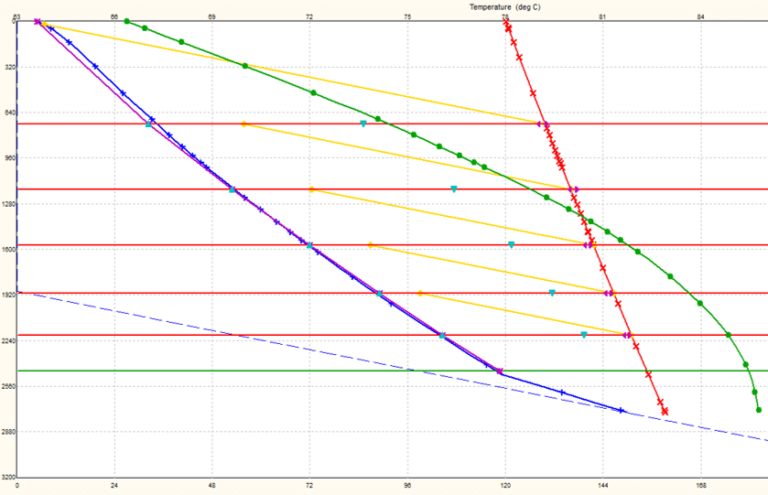
For this sequence to be successful mandrel spacing design needs to be performed with care. Indeed, with gas lift, you select your mandrel position and then work with it for many years. It is common to see gas lift wells still being produced with a mandrel spacing design installed more than 10 years ago. It is therefore critical to properly understand the rationale behind this precise task.