ESP Intakes, Gas Separators and Gas Handling Solutions
Current Status
Price
Get Started
| Format | On-demand 24/7 |
| Access | 1 year unlimited for 1 person |
| Duration | Approx. 5 hrs |
| Certificate | Included w/ 5 PDH credits |
| Level | Intermediate to advanced |
| Language | English |
Participants will understand the role of ESP intakes, gas separators, and gas-handling solutions in ESP systems. The course covers gas definitions along with its effects on head, thrust, and flow stability, separation principles, intake and separator designs, and pump gas-handling capabilities. Attendees will also learn separator performance, interpret operating ranges and performance curves, and select appropriate gas-handling configurations for gassy wells. By the end of the course, participants will be equipped to select the most suitable intake and separation solution to design ESP systems for reliable operation in the presence of free gas.
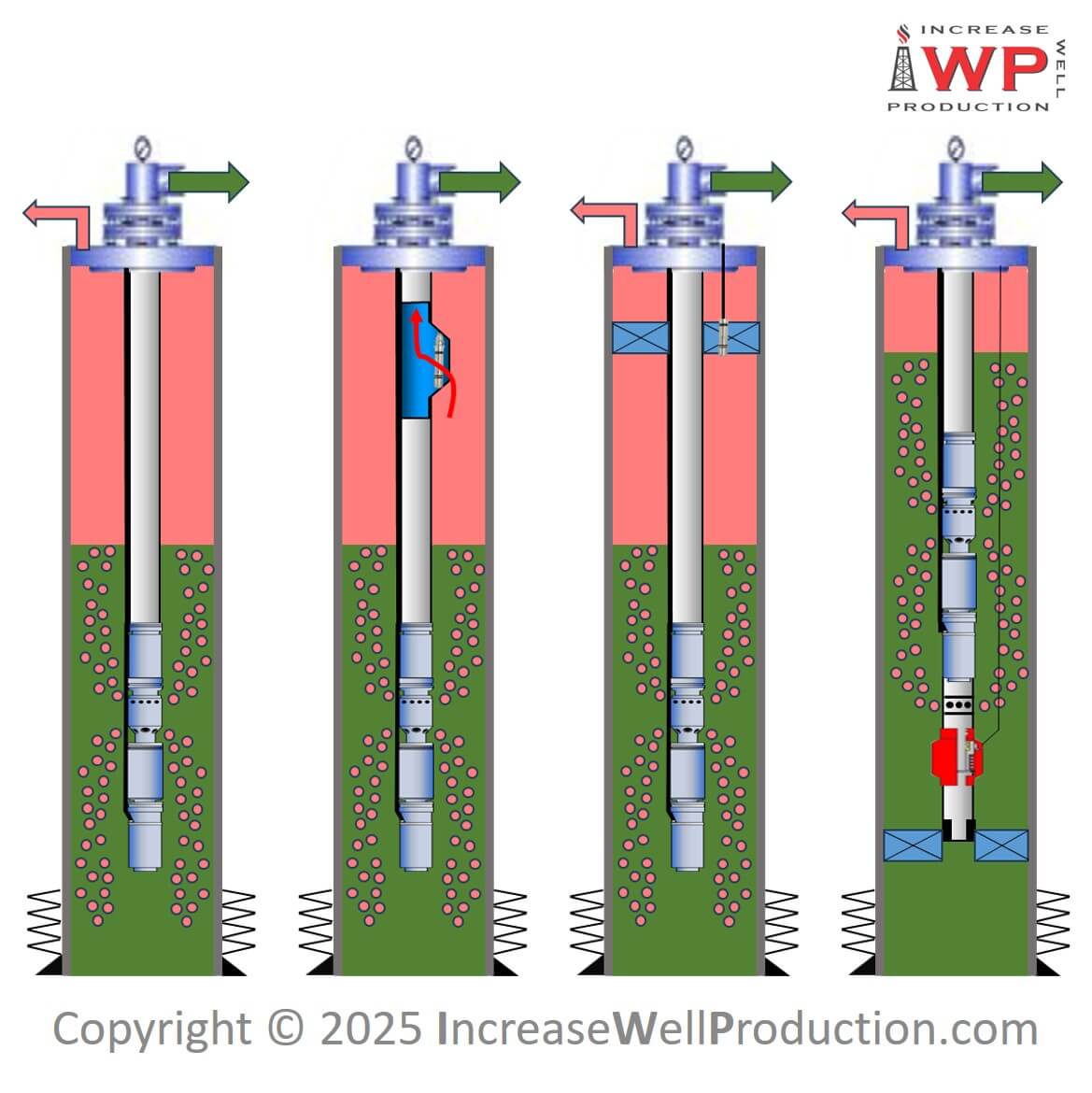
Free gas at the intake is one of the most critical challenges for ESP pumps, directly impacting its performance, system reliability, and run life. ESP intakes, gas separators, and gas-handling devices form the first line of defense against gas interference—controlling how gas enters the system, how it is separated, and how much can be safely handled by the pump. This on-demand, online course provides a structured and practical understanding of ESP intake functions, gas behavior, and the full range of gas-handling solutions available for gassy well applications.
The course guides learners from fundamental gas concepts through advanced separator configurations and specialized gas-handling pumps, equipping engineers and field professionals to diagnose gas-related issues, select appropriate hardware, and design robust ESP completions for challenging well conditions.
What You’ll Learn:
- ESP Intake Fundamentals & Gas Behavior
Understand the purpose of the ESP intake and the differences between standard and integral intake designs. Review key gas definitions— GOR, GLR, GVF, GIP, and separation efficiency — and learn how to calculate Gas Volume Fraction at the intake. Explore how free gas affects ESP performance, including head degradation, thrust changes, flow instability, gas blocking, and gas locking. - Gas Venting & Natural Separation Principles
Learn the different gas venting configurations that can be implemented in an ESP system. Examine the principles of natural gas separation, the factors that impact it, methods used to estimate separation efficiency, and practical ways to improve separation before gas enters the pump. - Gas Separator Technologies & Performance
Explore static and dynamic gas separators, including rotary and vortex designs. Understand operating ranges, performance curves, separator limitations, and methods to improve efficiency. Review advanced solutions such as multi-stage gas separators and boosted separator configurations, and learn how separator performance integrates with overall ESP system behavior. - Pump Gas Handling & Specialized Designs
Dive into pump-based gas handling solutions, including stage gas handling capacity, Turpin correlation, and specific speed. Learn how special gas-handling pumps work, including axial-flow designs, gas handlers, multivane pumps, open pump stages, and advanced concepts such as the Poseidon pump.
-
System Selection, Installation & Practical Application
Review gas-handling configuration strategies and learn how to select the most suitable intake, separator, or pump-based solution for a given well. Understand how to estimate power consumption of gas handling devices, installation procedures, and industry nomenclature to ensure correct application and field execution.
Combining theory, design principles, and practical field insight, this course presents a technology-agnostic, unbiased view of ESP gas-handling solutions, drawing on industry practices and multiple supplier design approaches without promoting any specific manufacturer.
Designed for production and petroleum engineers, ESP specialists, and field technicians, this course builds the knowledge needed to manage free gas effectively—from intake selection and gas separation to advanced pump-based gas-handling systems—helping maximize ESP performance and reliability in gas-challenged wells.
Strengthen your expertise in ESP gas management—enroll now and design lift systems that stay stable when gas is unavoidable.
- The purpose of an ESP intake
- Standard & integral intakes
- Gas definitions – GOR, GLR, GVF, GIP, SE
- How to calculate Gas Volume Fraction at intake
- The effects of free gas on ESP pump
- Head reduction
- Thrust changes
- Gas blocking & gas locking
- Flow instability
- Gas venting configurations
- Natural gas separation (factors impacting it, methods of estimation, ways to improve it)
- Static gas separators
- Dynamic gas separators
- Rotary vs. vortex gas separator
- Gas separator limitations
- Improving gas separator efficiency
- Operating range and performance curve
- Multi-stage gas separator
- Pump gas handling
- Turpin correlation and specific speed
- Stage gas handling capacity
- Special gas handling pumps
- Axial flow design
- Gas handler
- Multivane pump
- Open pump stage
- Poseidon pump
- Boosted gas separators
- Gas handling configuration summary
- Gas handling device selection and power consumption estimation
- Installation procedure
- Nomenclatures
- Surface facilities, Production, Petroleum, Reservoir or Well Performance Engineers
- Field Production Personnel and ESP field technicians
- Completion or Well Intervention Engineers
